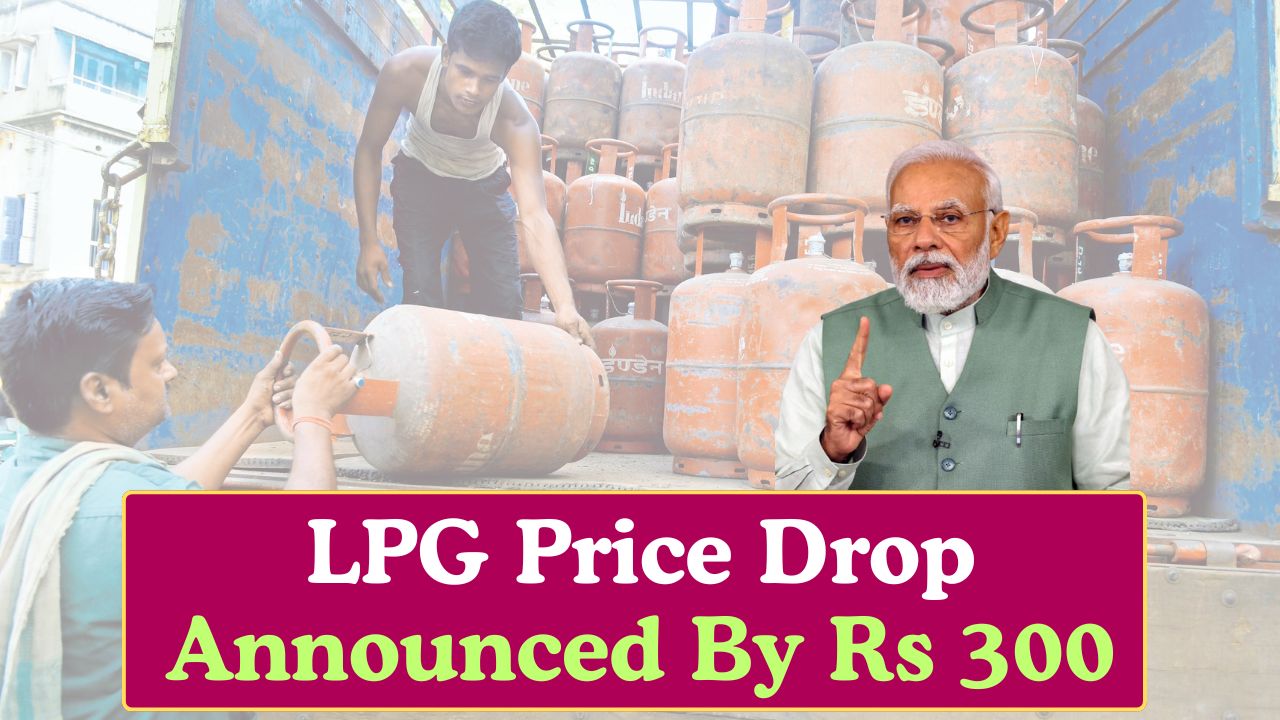
Families across the country have welcomed a new wave of relief as cooking gas prices have been reduced once again. With household budgets under pressure due to rising costs of daily essentials, the latest LPG price cut has arrived as a significant comfort for millions of consumers. The reduction is expected to lower monthly expenses and ease financial strain, especially for middle-class and low-income households.
What Led to the Latest LPG Price Cut
The government and oil marketing companies periodically review LPG prices based on international fuel rates and domestic economic conditions. Recent global price corrections have allowed authorities to pass on benefits to consumers. This new reduction reflects a stabilisation in international markets, making it possible to bring down retail LPG cylinder rates across various states.

How Much Savings Consumers Can Expect
With the updated price revision, households will see a noticeable drop in the cost of domestic LPG cylinders. Depending on the city, consumers are saving a substantial amount compared to previous months. This reduction is particularly beneficial for families that rely heavily on LPG for daily cooking, and for those who manage their budgets carefully each month.

Positive Impact on Families and Daily Life
A fall in LPG prices directly reduces the financial load on households. With lower monthly fuel expenses, families can allocate savings toward groceries, education, healthcare or emergency needs. For many, especially those living in rural and semi-urban areas, LPG price drops bring immediate and meaningful relief.

Government’s Continued Effort to Support Households
This latest price cut is seen as part of the government’s ongoing effort to keep essential services affordable. In recent months, various social and economic policies have focused on reducing basic household expenditure. The LPG price reduction further strengthens this support by ensuring that cooking fuel remains accessible and affordable for all income groups.

Will Prices Drop Further?
Experts suggest that while further reductions are possible, they will depend on global energy trends and international crude oil rates. If global prices remain stable, consumers may see additional adjustments in the coming months. However, authorities will continue to monitor market conditions closely before making any further decisions.